
The Evolution of Work: What the Future Holds for Careers
Problem Introduction
As we stand on the precipice of a new era, the world of work is undergoing a seismic shift. The traditional employment landscape, which once offered clear paths and predictable trajectories, is evolving faster than most can keep up with. For students, graduates, and young professionals, the uncertainty surrounding career prospects can be daunting.
In a world where automation, remote work, and digital transformation are reshaping industries, the question looms: What will the future hold for careers? Parents, too, are concerned about equipping their children with the skills and mindset necessary to thrive in this new environment. It’s essential to not only recognize these changes but also to understand how to navigate them effectively.
In this blog, we will explore the evolution of work, the challenges it presents, and the actionable steps you can take to prepare for a successful career in the future.
Insights: The Changing Landscape of Work
The Rise of Automation and Artificial Intelligence
One of the most significant changes in the work environment is the rise of automation and artificial intelligence (AI). Jobs that once required human input are increasingly being taken over by machines. According to a report by McKinsey, up to 800 million global workers could be displaced by automation by 2030. This shift means that many traditional jobs may disappear, but it also opens the door to new opportunities.
Remote Work and the Gig Economy
The COVID-19 pandemic accelerated the trend towards remote work, leading many companies to adopt flexible work arrangements. Young professionals, especially, are seeking jobs that offer a better work-life balance and the ability to work from anywhere. The gig economy has also exploded, with platforms like Uber, Fiverr, and Upwork allowing individuals to monetize their skills on a freelance basis.
Skill Gaps and Lifelong Learning
As industries evolve, so too does the need for new skills. Many graduates find themselves entering the job market with outdated skills that don’t align with current demands. This skill gap highlights the importance of lifelong learning and adaptability. According to the World Economic Forum, 94% of business leaders expect their employees to pick up new skills on the job.
Solutions: Preparing for the Future of Work
Embrace Lifelong Learning
In a rapidly changing work environment, lifelong learning is not just an option; it’s a necessity. Here are some ways to cultivate a mindset geared towards continuous learning:
- Online Courses: Platforms like Coursera, edX, and LinkedIn Learning offer a plethora of courses that can help you gain new skills relevant to your field. Whether it’s digital marketing, coding, or data analysis, there’s something for everyone.
-
Workshops and Seminars: Attend workshops and seminars in your area of interest. These events provide networking opportunities and allow you to learn from industry experts.
-
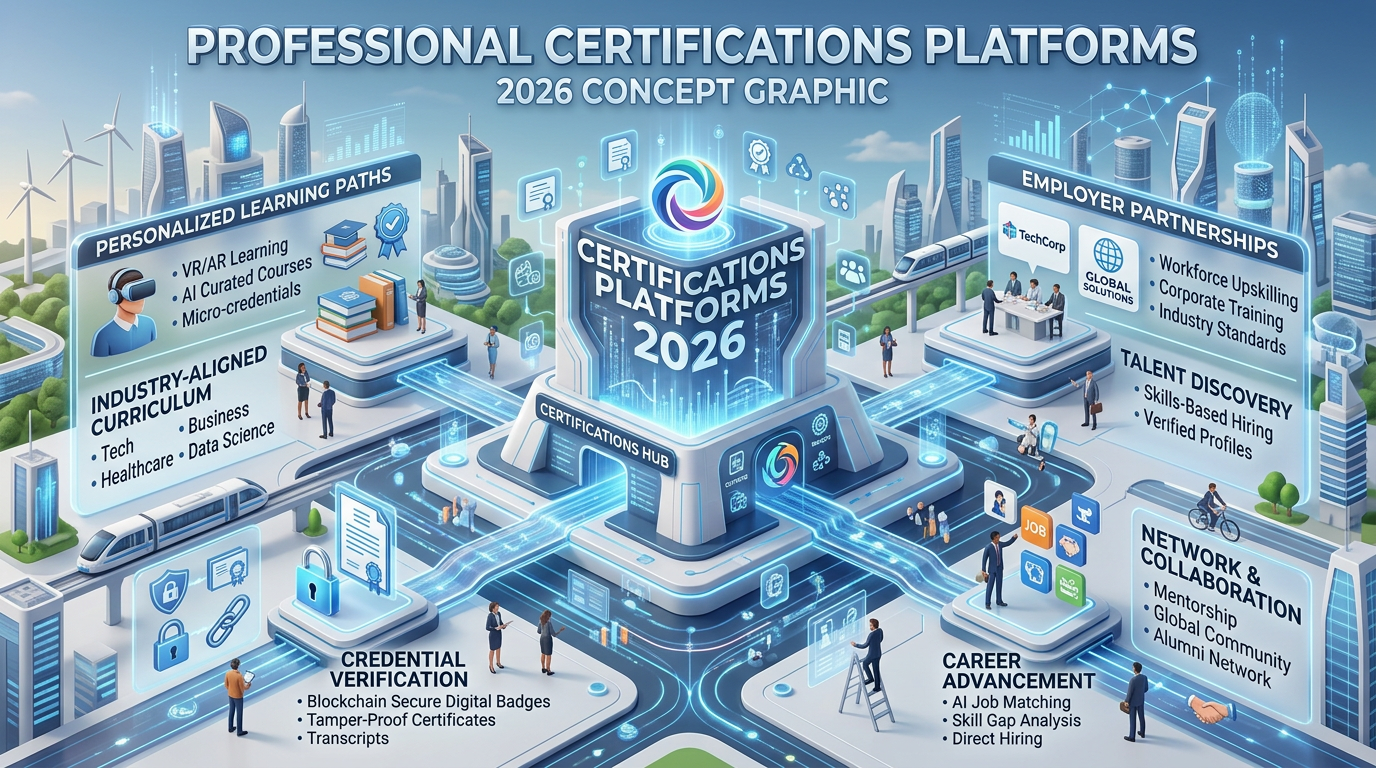
Certifications: Consider pursuing certifications that are recognized in your industry. These can enhance your resume and make you a more attractive candidate to employers.
Build a Personal Brand
In an era where employers often turn to social media to assess candidates, building a personal brand is crucial. Here’s how to establish your online presence:
- Optimize Your LinkedIn Profile: Ensure your LinkedIn profile is complete, showcasing your skills, experiences, and endorsements. Share articles and insights related to your field to demonstrate your knowledge.
-
Create Content: Start a blog or a YouTube channel where you share your insights and experiences. This not only positions you as a thought leader but also enhances your visibility.
-
Networking: Connect with professionals in your industry. Attend networking events, join relevant groups on social media, and engage in meaningful conversations.
Adaptability and Soft Skills
While technical skills are essential, soft skills like communication, problem-solving, and adaptability are equally important. Employers are increasingly looking for candidates who can navigate change and work collaboratively. Here are some steps to enhance your soft skills:
- Practice Active Listening: Engage in conversations and focus on understanding others’ perspectives. This will improve your communication skills and help build stronger relationships.
-
Work on Team Projects: Participate in group projects or volunteer opportunities that require collaboration. This will help you develop your ability to work in diverse teams.
-
Seek Feedback: Don’t shy away from constructive criticism. Use feedback to improve your skills and approach to work.
Understand Industry Trends
Staying informed about your industry is crucial for career success. Here are some ways to keep your finger on the pulse:
- Read Industry Publications: Subscribe to newsletters, journals, and blogs that focus on your field. Staying updated on trends and innovations will help you anticipate changes.
-
Follow Thought Leaders: Identify and follow industry leaders on social media. Their insights can provide valuable perspectives on where the industry is heading.
-
Attend Conferences: Participate in industry conferences and expos. These events are not only informative but also great for networking.
Examples: Success Stories in the New Era of Work
Example 1: The Rise of Remote Work
Many companies have embraced remote work as a permanent solution, leading to an increase in job opportunities in this domain. For instance, companies like GitLab and Zapier operate entirely remotely, allowing employees to work from anywhere in the world. This flexibility has attracted top talent and improved job satisfaction.
Example 2: The Gig Economy in Action
Freelancing has become a viable career path for many, with individuals leveraging their skills in innovative ways. For example, graphic designers, writers, and developers are finding success on platforms like Fiverr and Upwork. This shift allows for greater autonomy and the ability to choose projects that align with personal interests.
Example 3: Lifelong Learners Leading the Charge
Many professionals are taking charge of their careers by investing in lifelong learning. Take the case of Sam, a marketing graduate who decided to upskill in data analytics through online courses. Today, he works as a data-driven marketer for a leading tech company, showcasing how adaptability and continuous learning can lead to career success.
Action Steps: Your Roadmap to Future Careers
- Assess Your Skills: Take stock of your current skills and identify areas for improvement. Seek feedback from peers or mentors to gain insights.
-
Create a Learning Plan: Based on your assessment, outline a plan for acquiring new skills. Set achievable goals and timelines for completing courses or certifications.
-
Build Your Online Presence: Start optimizing your LinkedIn profile and consider creating content to showcase your expertise. Engage with others in your field to build a network.
-
Stay Informed: Dedicate time each week to read industry news and follow thought leaders. This will help you stay ahead of trends and innovations.
-
Practice Soft Skills: Seek opportunities to enhance your soft skills through group projects, volunteering, or public speaking.
-
Network Actively: Attend networking events, join professional organizations, and connect with others in your field. Building relationships can open doors to new opportunities.
Conclusion
The evolution of work presents both challenges and opportunities for students, graduates, and young professionals. By embracing lifelong learning, building a personal brand, enhancing soft skills, and staying informed about industry trends, you can navigate this changing landscape with confidence.
The future may be uncertain, but with the right mindset and proactive approach, you can carve out a successful career path that aligns with your passions and strengths.
Want to start your digital journey? Join Our Community Now
Meta Description: Explore the evolution of work, future career trends, and how to adapt. Get insights for students, graduates, and young professionals.
Tags: future of work, career evolution, job trends, young professionals, digital transformation


Leave a Reply