
Innovative Business Models: What’s Next for Entrepreneurs in 2024?
Introduction: The Problem at Hand
As we step into 2024, the entrepreneurial landscape is being reshaped by rapid technological advancements, shifting consumer behaviors, and unexpected global events. For students, recent graduates, young professionals, and even parents looking to pivot into entrepreneurship, the sheer volume of change can be overwhelming. Traditional business models, once considered the gold standard, are being challenged by new paradigms.
The central question looms: What innovative business models will dominate in 2024, and how can aspiring entrepreneurs adapt to thrive in this evolving environment?
In this blog post, we will explore the challenges facing today’s entrepreneurs, the emerging trends that are reshaping business models, and actionable steps you can take to leverage these changes for your entrepreneurial journey.
Insights: Understanding the New Landscape
The Shift in Consumer Behavior
In recent years, consumers have become more conscious and selective. The rise of social media and digital communication has led to an informed customer base that values authenticity, sustainability, and community engagement. As a result, businesses must now foster relationships rather than just transactions.
Key Insight: Entrepreneurs must focus on building a brand that resonates with their target audience’s values, ensuring that their business model aligns with the changing preferences of consumers.
Technological Advancements
Technologies such as artificial intelligence, blockchain, and the Internet of Things (IoT) are revolutionizing how businesses operate. From automating customer service to optimizing supply chain management, these technologies offer entrepreneurs opportunities to enhance efficiency and innovate their offerings.
Key Insight: Embrace technology not just as a tool but as a fundamental aspect of your business strategy. Understanding and leveraging these technologies can set you apart from the competition.
The Rise of the Gig Economy
The gig economy continues to expand, with more individuals opting for freelance and contract work over traditional employment. This shift presents both challenges and opportunities for entrepreneurs. While competition increases, there is also a growing demand for services that cater to this flexible workforce.
Key Insight: Consider how your business model can support or harness the gig economy. Whether through flexible hiring practices or service offerings, aligning with this trend can enhance your business’s relevance.
Solutions: Innovative Business Models to Consider
1. Subscription-Based Models
Subscription-based business models are gaining traction across various industries, from entertainment (think Netflix) to food delivery services (like Blue Apron). This model provides predictable revenue streams and fosters customer loyalty.
Example: Software-as-a-Service (SaaS) companies, such as Adobe Creative Cloud, have successfully transitioned to subscription models, allowing users to access a suite of tools without the upfront costs of purchasing software outright.
2. Platform-Based Models
Platforms that connect consumers and providers, like Airbnb and Uber, have transformed traditional industries. These models leverage technology to create marketplaces that benefit both sides.
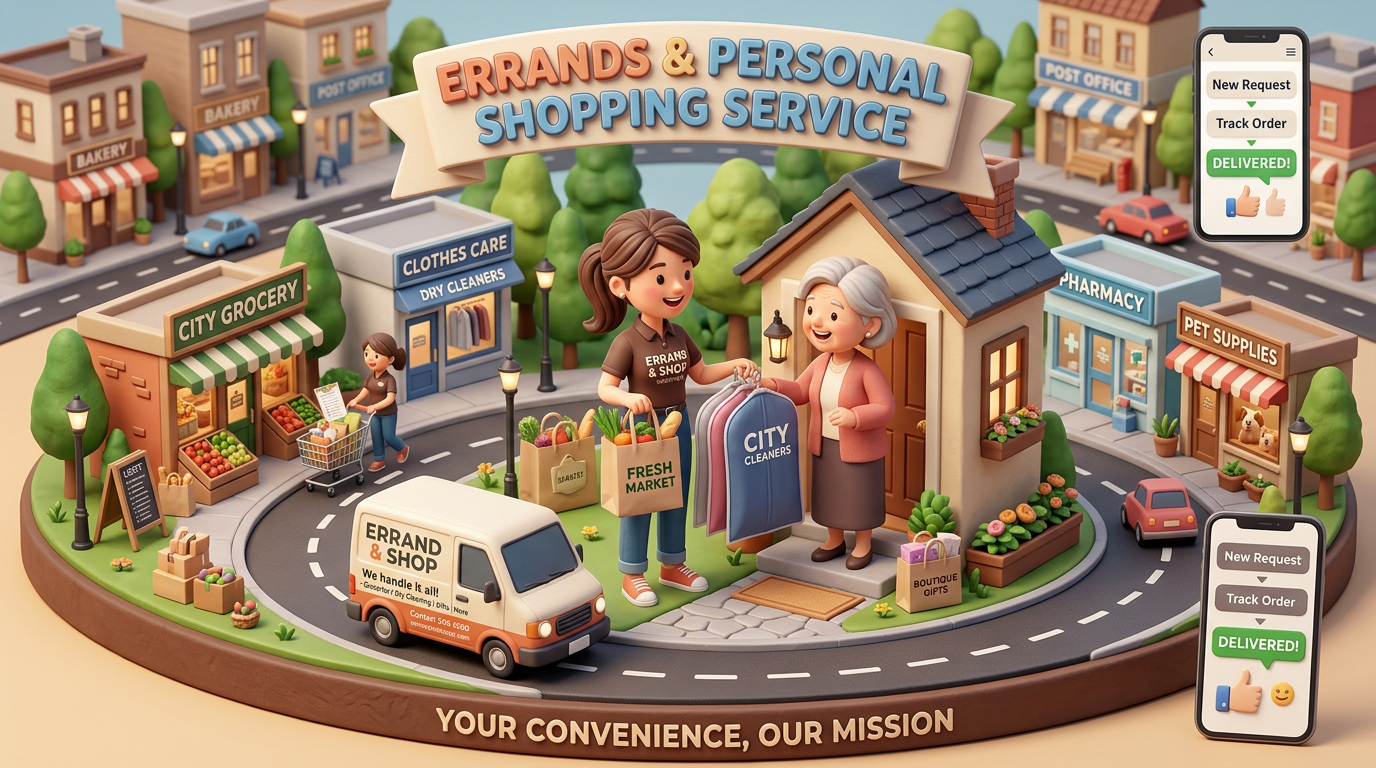
Example: TaskRabbit is a platform that connects people needing help with various tasks to skilled professionals offering their services. This model thrives on flexibility and community engagement.
3. Purpose-Driven Businesses
Consumers are increasingly seeking brands that reflect their values. Purpose-driven businesses prioritize social impact alongside profit.
Example: TOMS Shoes operates on a one-for-one model, where for every pair of shoes sold, a pair is donated to someone in need. This not only drives sales but also builds a loyal customer base committed to the brand’s mission.
4. Hybrid Business Models
Hybrid models combine elements from different business strategies to create unique offerings. This flexibility allows entrepreneurs to adapt quickly to changing market conditions.
Example: Warby Parker began as an online eyeglasses retailer but has since opened brick-and-mortar locations, blending e-commerce with traditional retail.
5. Digital-First Businesses
As digital transformation accelerates, businesses that prioritize online presence and digital marketing are becoming more relevant. Starting a digital-first business allows for lower overhead costs and a broader reach.
Example: An e-commerce store focusing on niche products can thrive by utilizing social media marketing and targeted advertising to attract a specific audience.
Action Steps: How to Get Started
Step 1: Identify Your Niche
Conduct thorough market research to identify gaps in the market that align with your passion and expertise. Understanding your target audience’s needs is crucial for creating a successful business model.
Step 2: Embrace Technology
Invest time in learning about the latest technologies relevant to your industry. Consider how you can integrate these tools into your business for efficiency and enhanced customer experience.
Step 3: Develop a Unique Value Proposition
Articulate what makes your business unique. Your value proposition should clearly communicate the benefits customers will receive, distinguishing you from competitors.
Step 4: Build a Strong Online Presence
Create a professional website and leverage social media platforms to promote your brand. Engage with your audience through content marketing, showcasing your expertise and building trust.
Step 5: Test and Iterate
Don’t be afraid to test different business models and strategies. Gather feedback from customers and be willing to pivot when necessary. The ability to adapt will be crucial in 2024 and beyond.
Step 6: Network and Collaborate
Join entrepreneurial communities to connect with like-minded individuals. Networking can lead to collaborations, partnerships, and mentorship opportunities that can significantly benefit your business journey.
Step 7: Stay Informed
Keep up with industry trends and emerging technologies. Subscribe to relevant publications, attend webinars, and participate in workshops to continually enhance your knowledge and skills.
Conclusion: Your Journey Begins Now
The entrepreneurial landscape is evolving, and the opportunities for innovation are endless. By understanding the challenges and embracing the new business models emerging in 2024, you can position yourself for success. Whether you’re a student exploring career options, a recent graduate looking to launch a startup, a young professional seeking a change, or a parent considering entrepreneurship, the time to act is now.
Take the first step towards your entrepreneurial journey by exploring the innovative business models outlined in this blog. The future is bright for those willing to adapt and innovate.
Want to start your digital journey? Join Our Community Now
Meta Description: Discover groundbreaking business models for 2024. Insights, solutions, and action steps for young entrepreneurs and professionals.
Tags: business models, entrepreneurship, 2024 trends, young professionals, innovative strategies, digital transformation

Leave a Reply